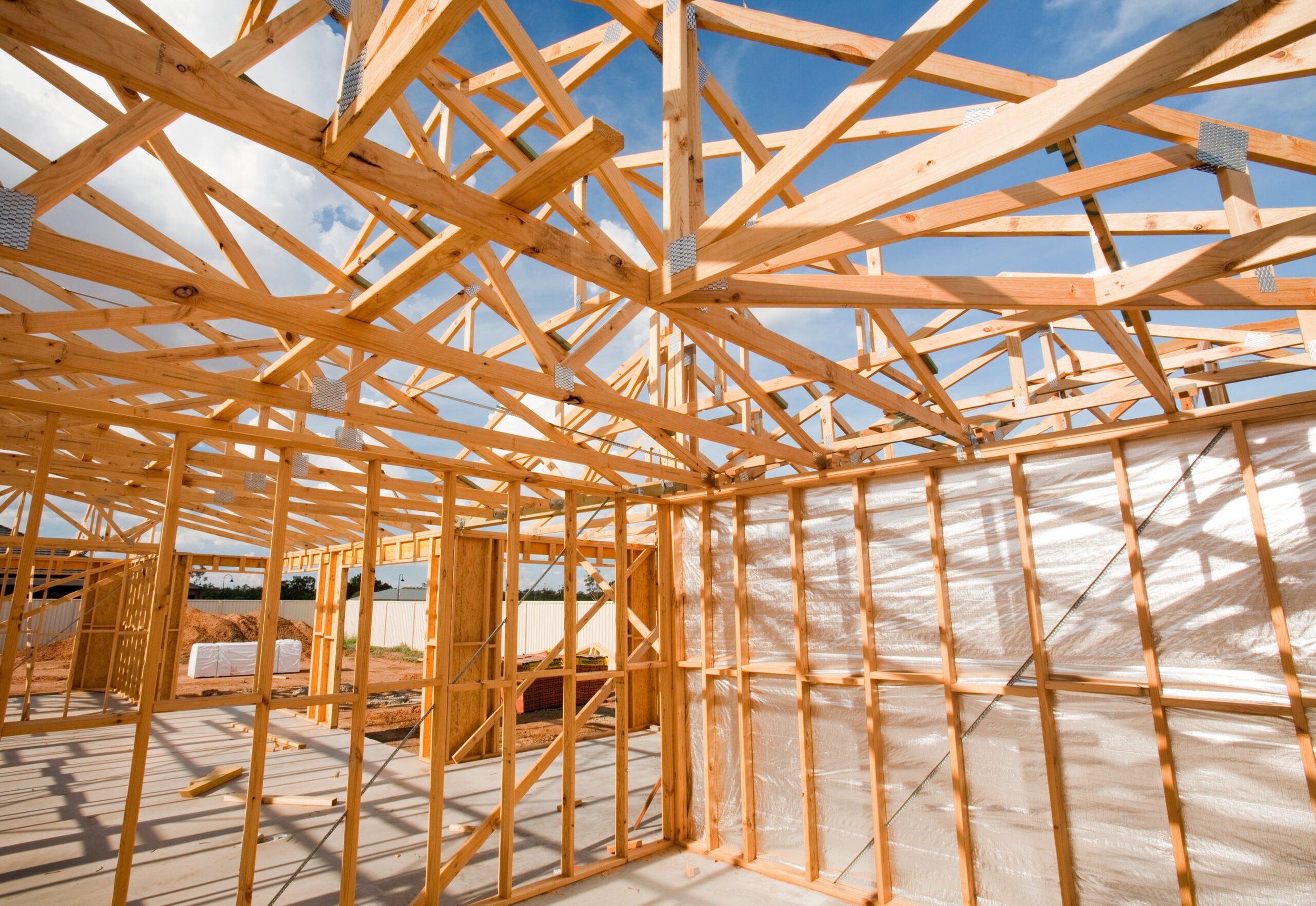
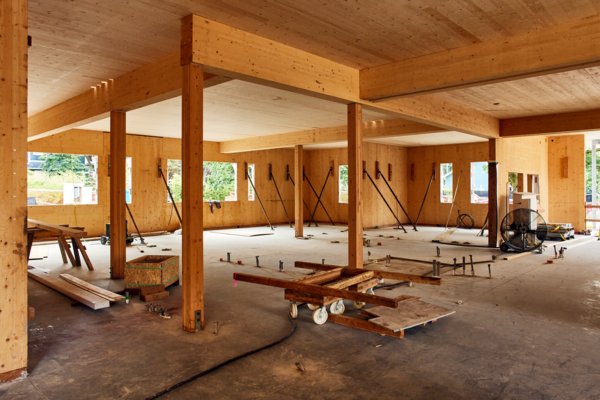
New research suggests that using wood for construction could avoid 100 gigatons of CO2 emissions through 2100, but building skylines of timber requires careful forest planning.
“The Intergovernmental Panel on Climate Change’s most recent report on climate adaptation and mitigation showed that buildings produce about 20 percent, or 12 gigatons, of global greenhouse gas emissions. About 18 percent of that total comes from the use of cement and steel, some of which could be avoided by using wood.”
“The scale of wood construction envisioned would require about 555,000 square miles of additional tree plantations, an area slightly bigger than Alaska, on top of the 505,000 square miles of tree farms that exist globally today.”
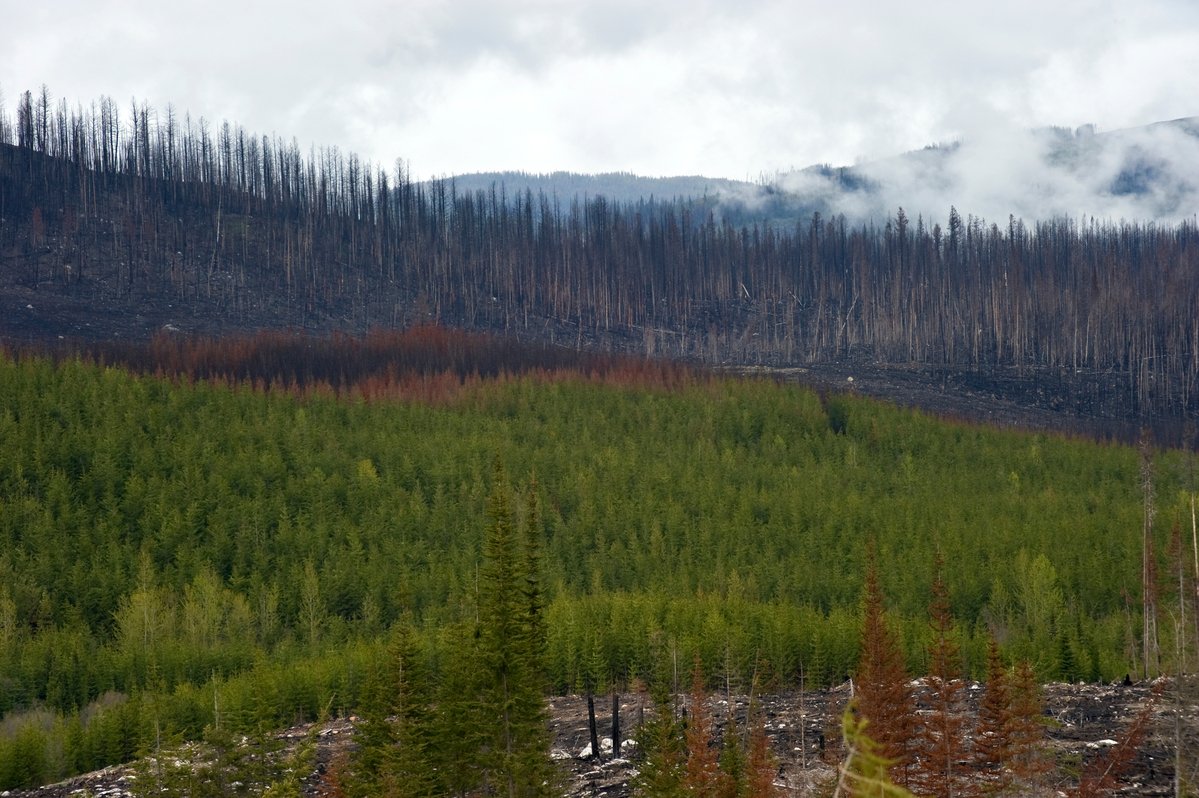
“Any plans that include trees and wood as a way to reduce carbon emissions also requires being aware of how trees and forests are responding to the warming climate. Wildfires, insect outbreaks and drought make any new tree-planting schemes an uncertain bet, so some experts say a wider range of options for decarbonizing building and housing must be on the table, including building structures with smaller footprints, recycling waste and construction materials into new buildings and using other alternative low-carbon building materials.”
“And regional nuances are important, considering the headline figures of the study. Using engineered wood products, sometimes called mass timber, on a large scale probably won’t play a big role in Pakistan’s recovery, but new ways to use local wood components could help. But he said mass timber makes a lot of sense in places ike Vancouver.
“Is mass timber appropriate for all of the needed construction? I doubt it,” he said. “Even in an ideal location like Vancouver, mass timber alone can cut embodied carbon by about 25 percent, when used for both structure and wall panels. And we estimate that an educated team could cut another 25 percent of embodied carbon through 99 other decisions: flooring, cladding, mechanical and other choices.”
And with innovations in the concrete sector, it’s possible that there will be lower-carbon material available in the future.
“All of this means that, today, one could achieve equal reduction to or greater than mass timber via other means,” he said. “And in a few years, one might be able to match mass timber with concrete. So, mass timber is an important tool, particularly in highly forested parts of the world, but it is not the only tool in our box.””