Featured
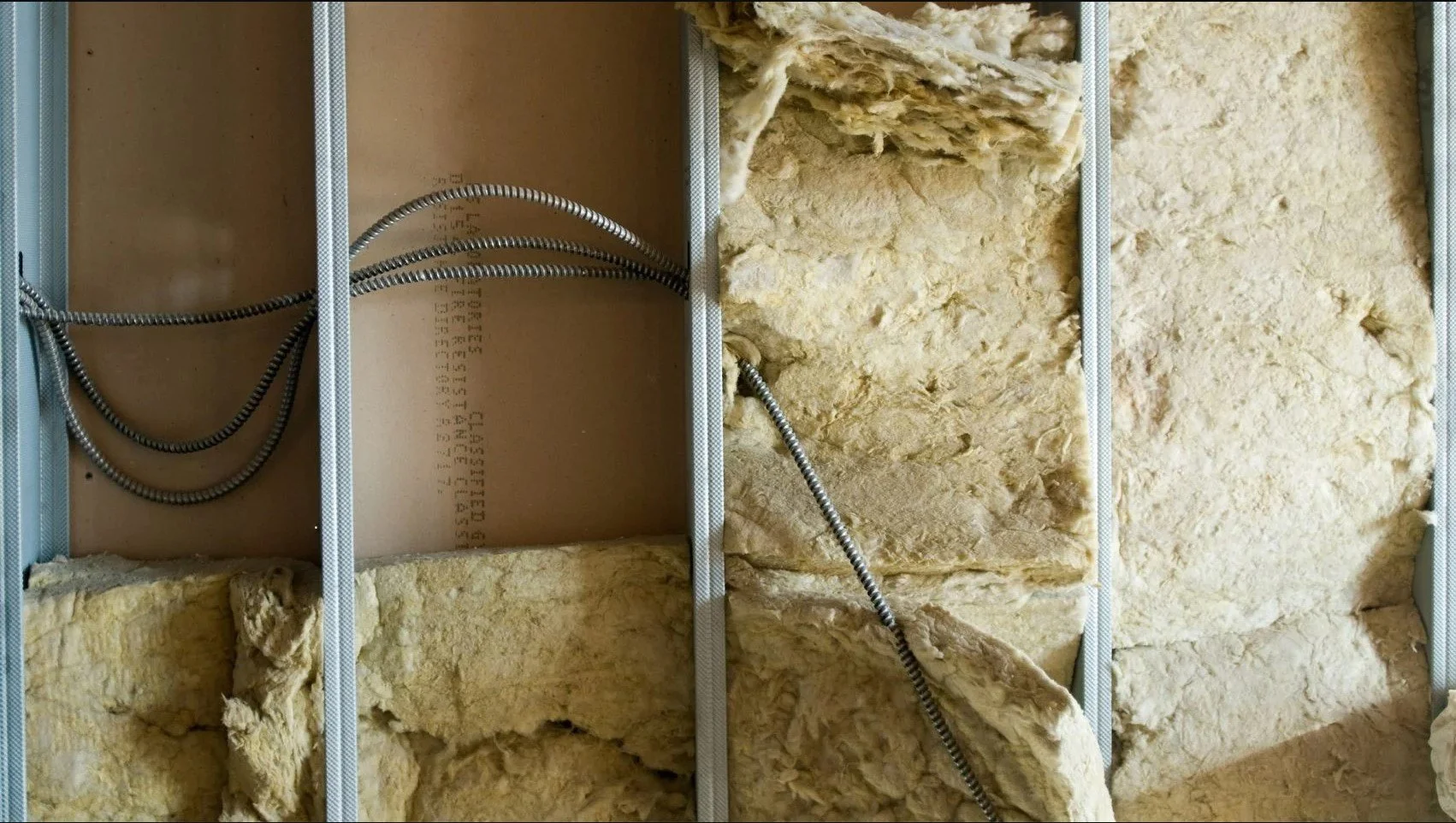



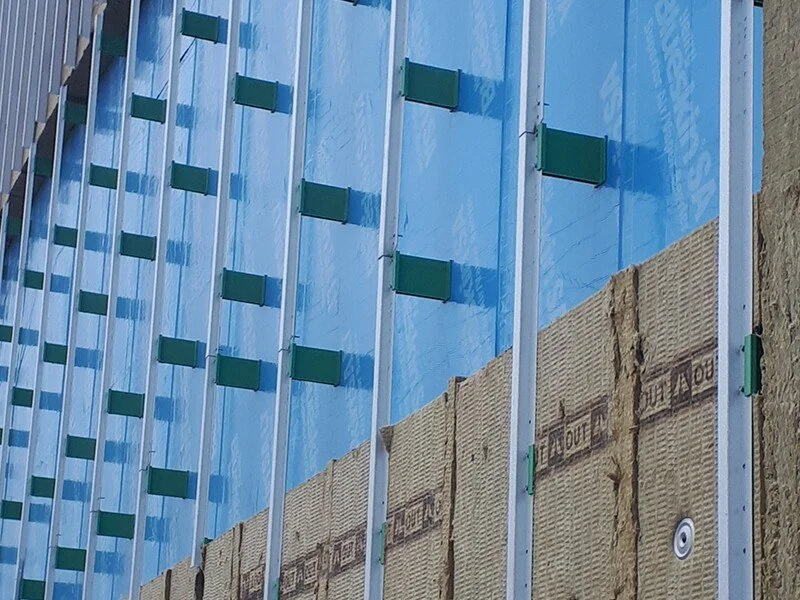






Adding insulation to UK homes only provides short-term energy savings that are cancelled out within a few years by an increase in energy use, according to a study by the University of Cambridge.
The study, which analysed the gas-use patterns of more than 55,000 homes across England and Wales, found that any fall in gas consumption achieved by retrofitting wall insulation was voided within four years.
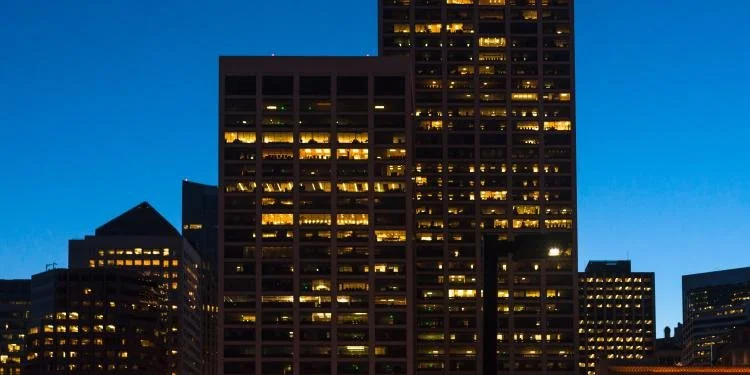
Downtown San Francisco has experienced significant changes since the onset of the COVID-19 pandemic. Reduced tourism and growth in remote work have resulted in a dramatic decline in economic activity. Despite the city’s efforts to encourage people to return to work, downtown is now characterized by semi-vacant offices, vacant storefronts, and an absence of employees and visitors. Yet a spin of the clock back to early 2020 would reflect a lack of progress on long-standing issues like traffic congestion, transit capacity, homelessness and inequality.
Despite OSHA’s best efforts the share of workers dying from well-known hazards remained stagnant from 2011 to 2020 while the workforce grew 31%.
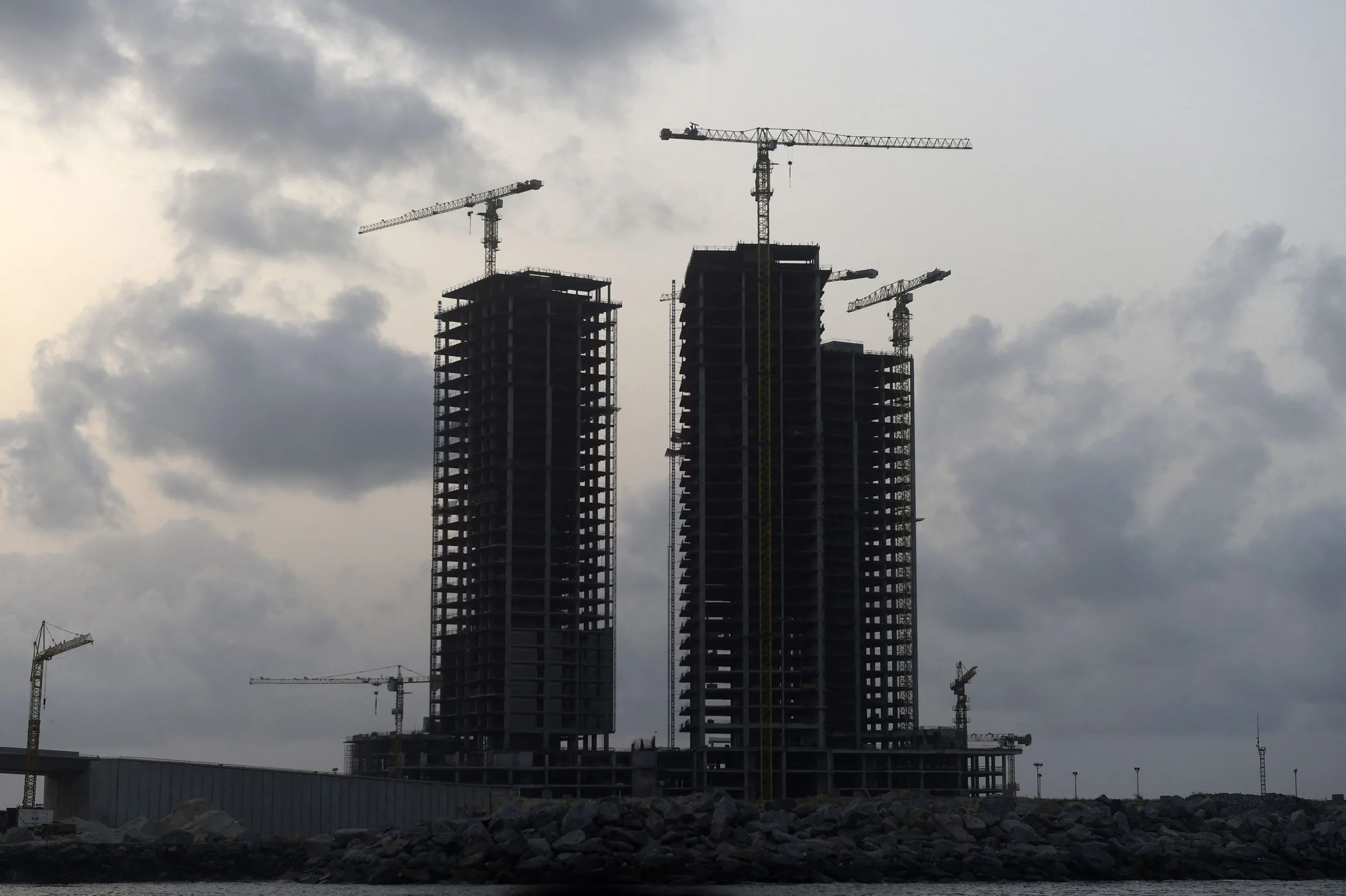
At COP27, Building Emissions Loom Larger
Cleaning up the carbon-intensive construction industry and reducing energy consumption in buildings have emerged as major topics at the UN climate summit.
Energy-efficient passive design is catching on in New York and other cities as climate concerns rise
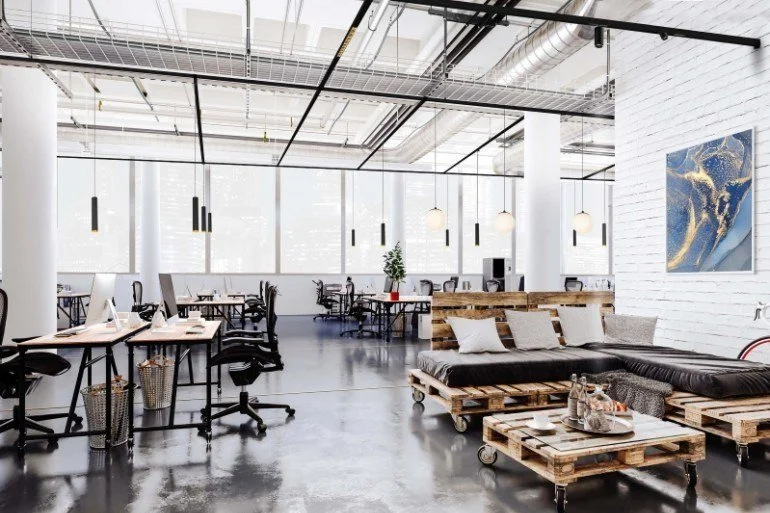
There is now 13.8 Salesforce Towers or 815 Salesforce Tower floors worth of empty office space spread across San Francisco,
Citing more blackouts, wildfires and higher electricity rates, a growing number of homeowners are choosing to build homes that run entirely on solar panels and batteries.
“I am hoping to change the paradigm, push people to dream and undergo risk. It is not because you are rich that you should waste material. It is not because you are poor that you should not try to create quality, [...] Everyone deserves quality, everyone deserves luxury, and everyone deserves comfort. We are interlinked and concerns in climate, democracy, and scarcity are concerns for us all.” – Francis Kéré, 2022 Pritzker Architecture Prize Winner.
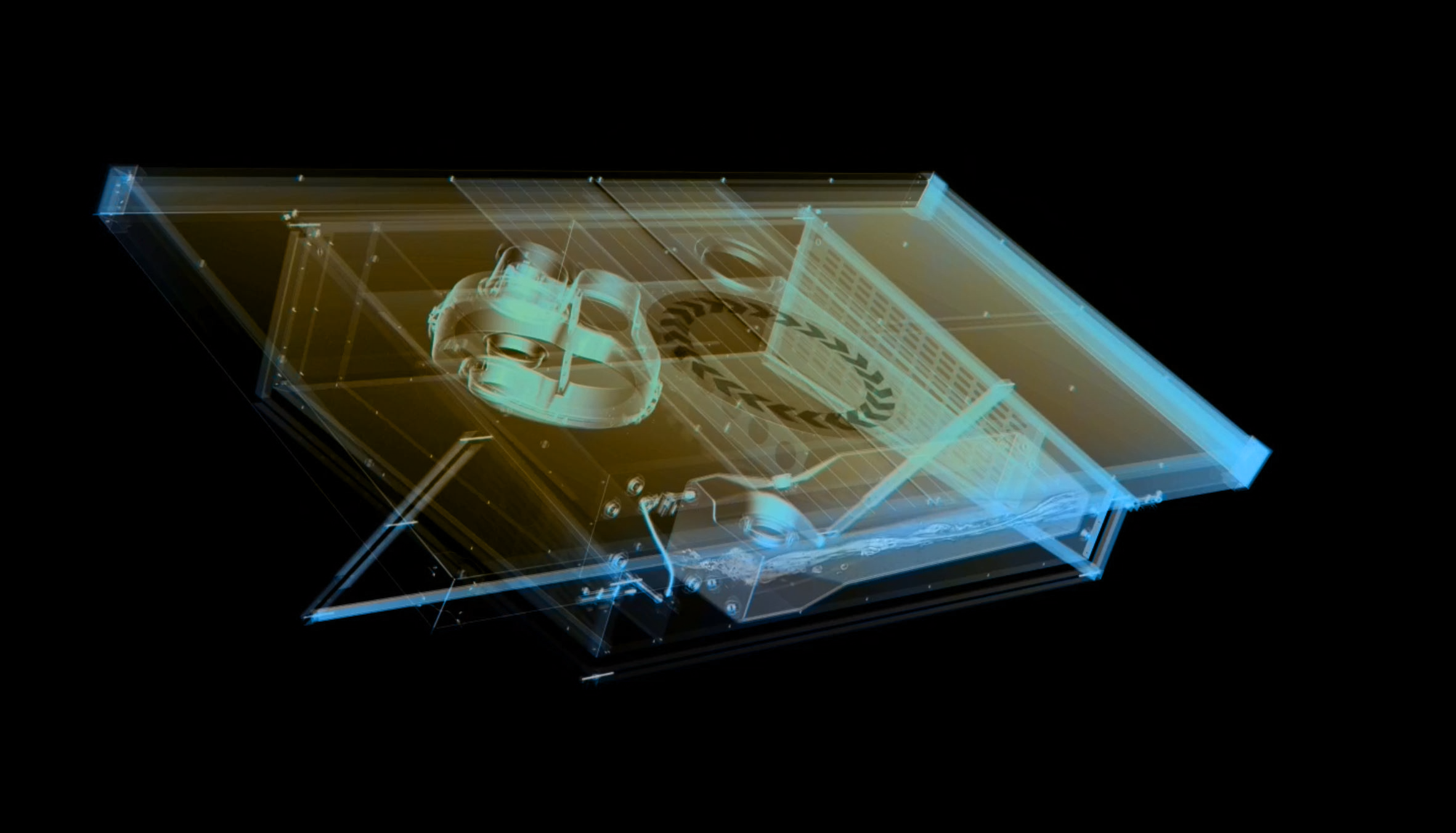
SOURCE® Hydropanels™ replace the need for plastic bottles or costly water filtration systems. Make your own renewable, perfectly balanced drinking water without any additional infrastructure.
Foam glass gravel is a building material designed for a future where the built environment is not at odds with the natural environment. Both versatile and lightweight, foam glass gravel’s physical properties allow it to be a preferred material across the built environment.
Innovative products include heat pumps that use low-GWP refrigerants, energy-saving window inserts, water-saving infrastructure, induction ranges, and more.
White House unveils plan to boost use of U.S.-made goods in infrastructure