Sustainability Action Plan
Sustainability Resources
Internal
Autodesk Insight User Guide
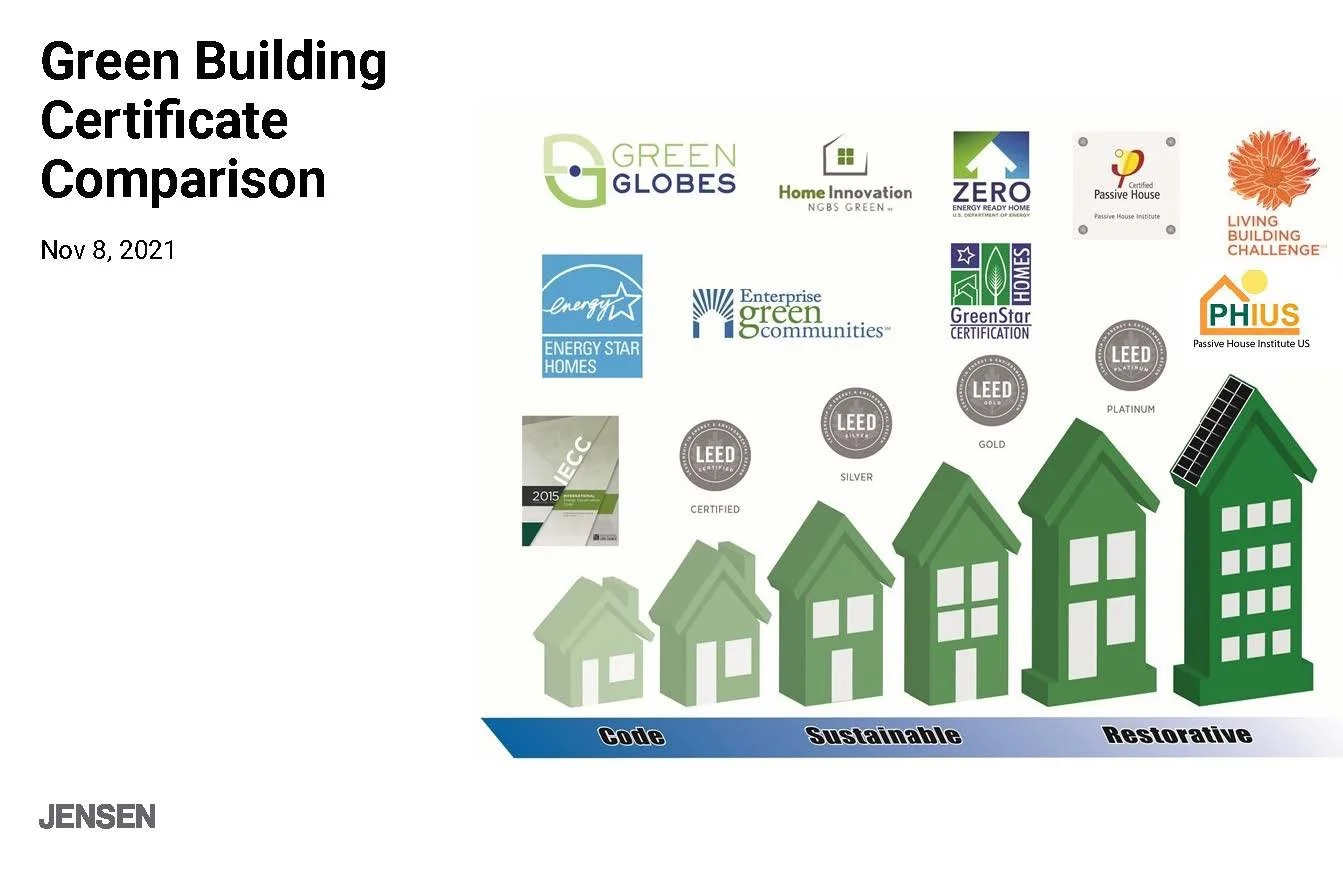
Green Building Certificate Comparison
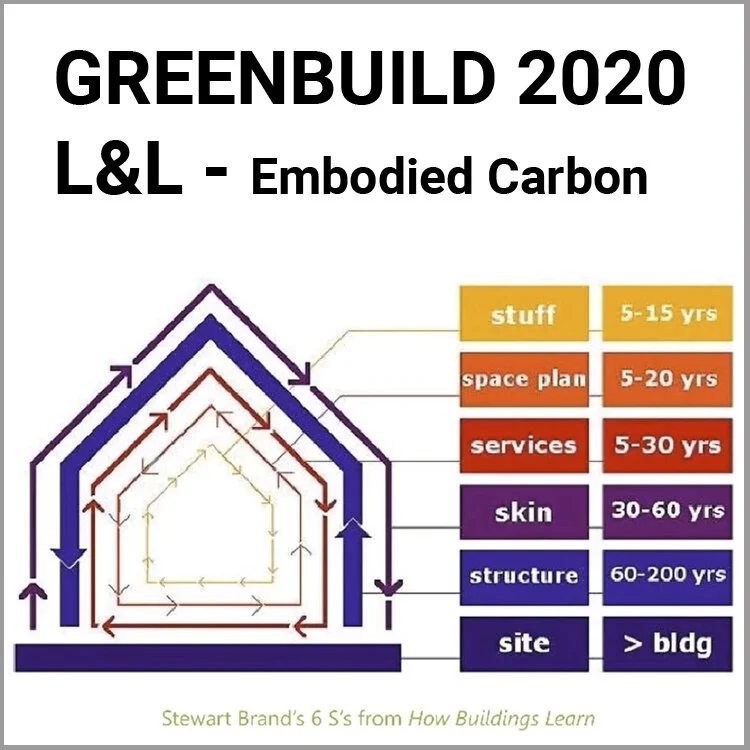
Embodied Carbon
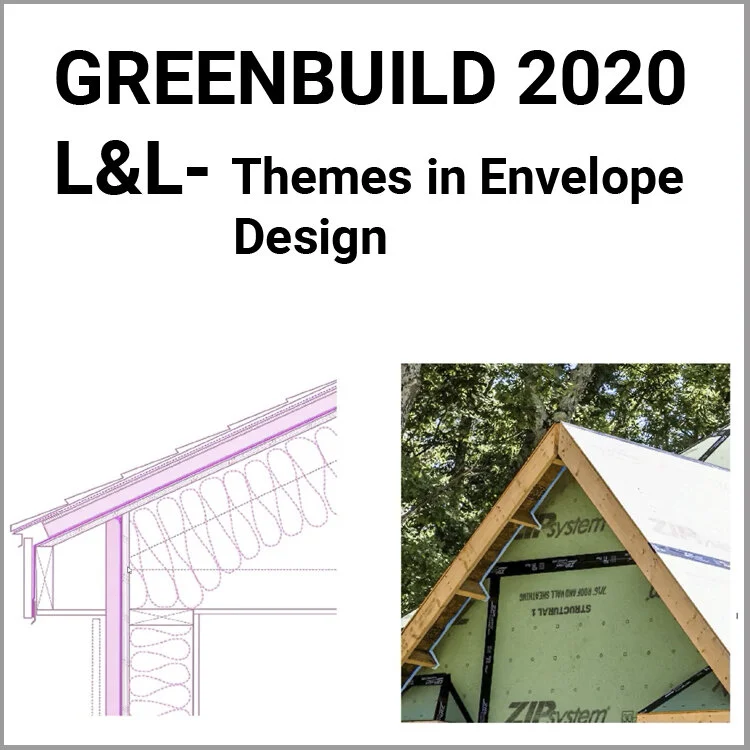
Envelope Design
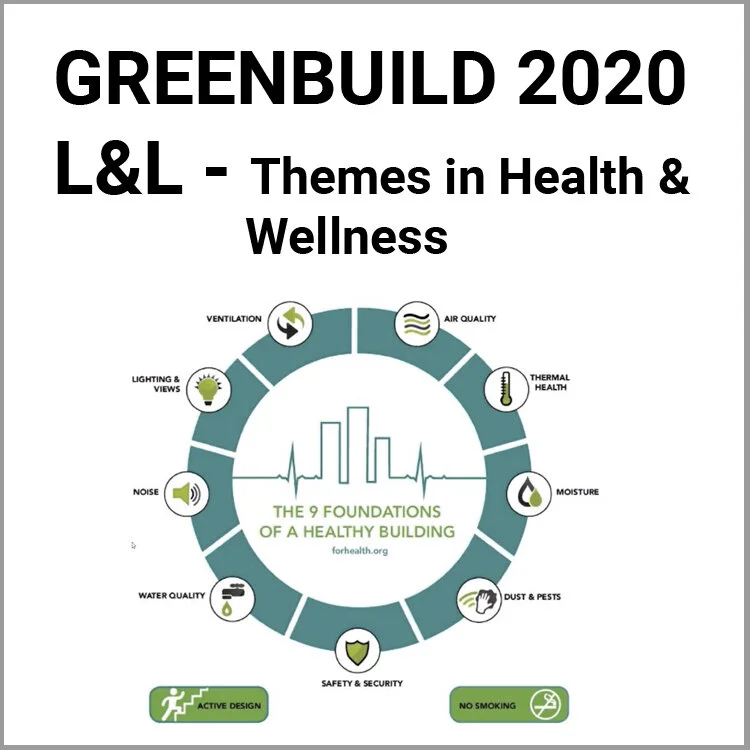
Health & Wellness
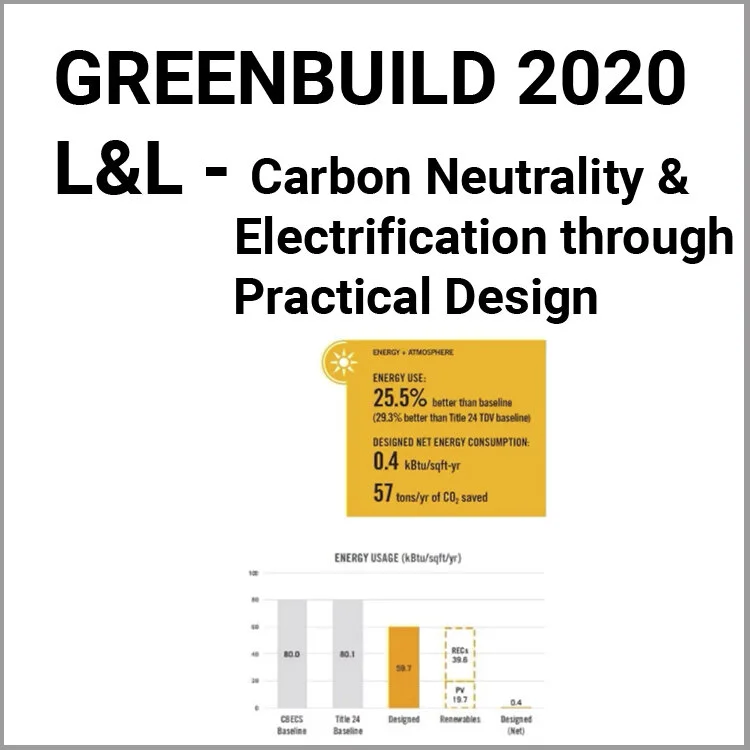
Carbon Neutrality & Electrification
External
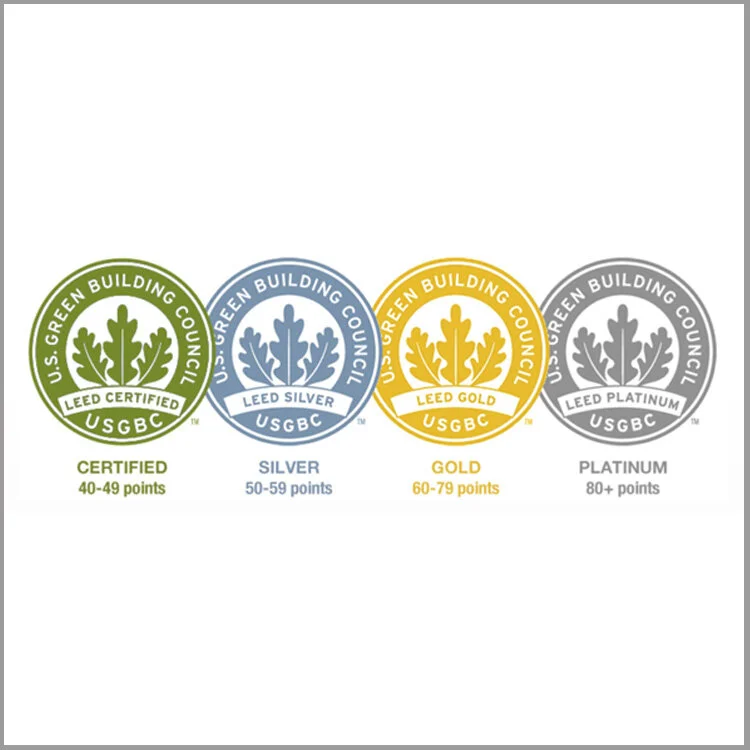
LEED (Leadership in Energy and Environmental Design) - an internationally recognized green certification system and standard
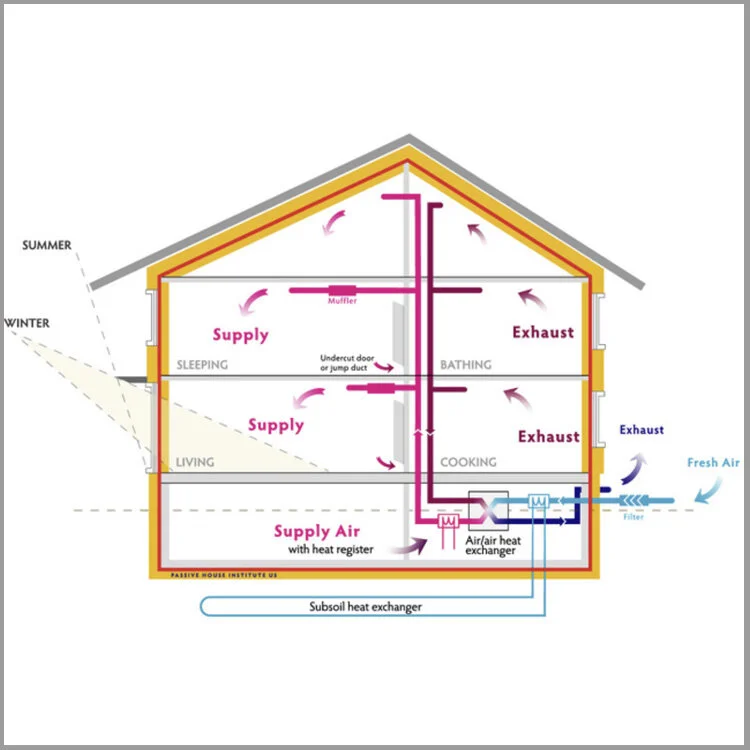
Passive House - a set of design principles used to attain a quantifiable and rigorous level of energy efficiency within a specific quantifiable comfort level
Zero Tool - used to compare a building’s design or an existing building’s energy use intensity (EUI) with similar building types
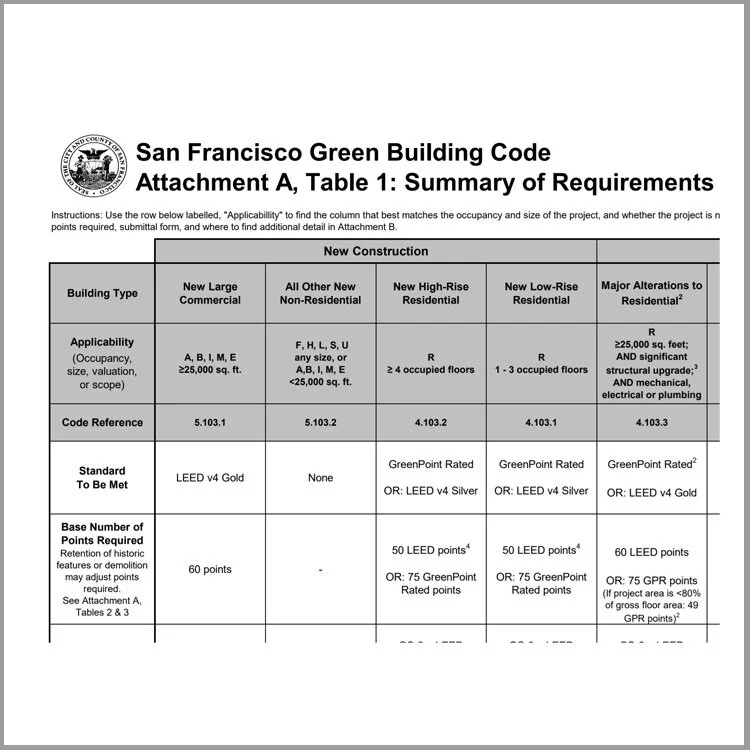
AB-093 - SF Green Building Regulations
Living Building Challenge - a certification program that promotes a very high building standard linked to net zero energy, net zero water, beauty, and more

Energy Code Ace - energy code training, tools and resources to meet the requirements of Title 24, Part 6 and Title 20
PVWatts Calculator - estimates the energy production and cost of energy of grid-connected photovoltaic (PV) energy systems
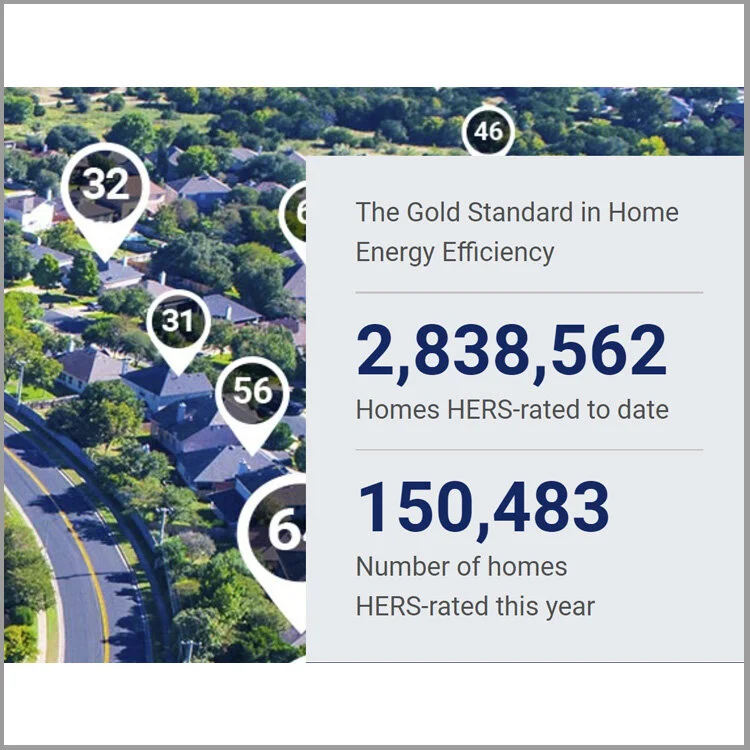
HERS (Home Energy Rating System)
WELL Building Standard - a standard that focuses on the health and wellness impacts that buildings have on occupants
2030 Palette - a resource for the design of zero-carbon, adaptable, and resilient built environments pertaining to energy consumption and greenhouse gas emissions
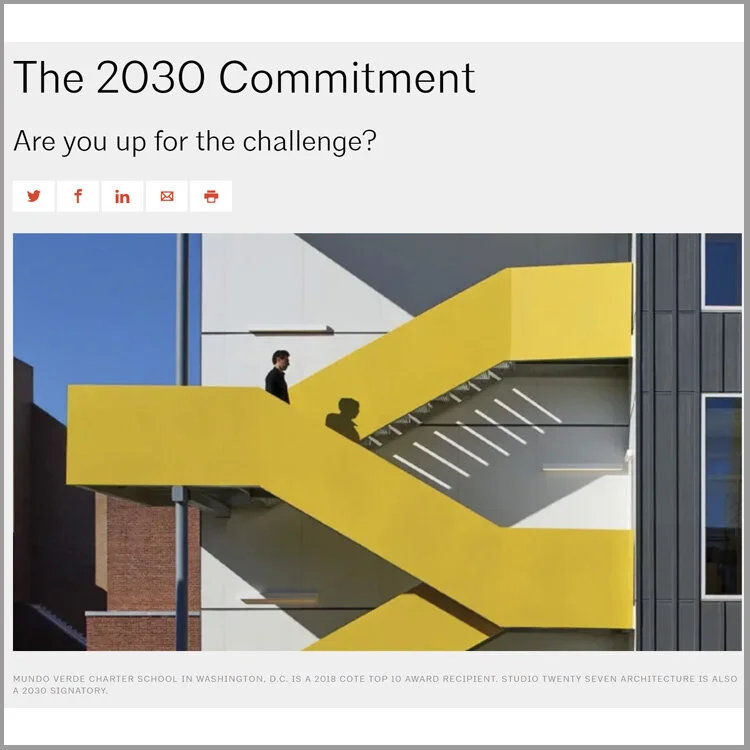
Templates
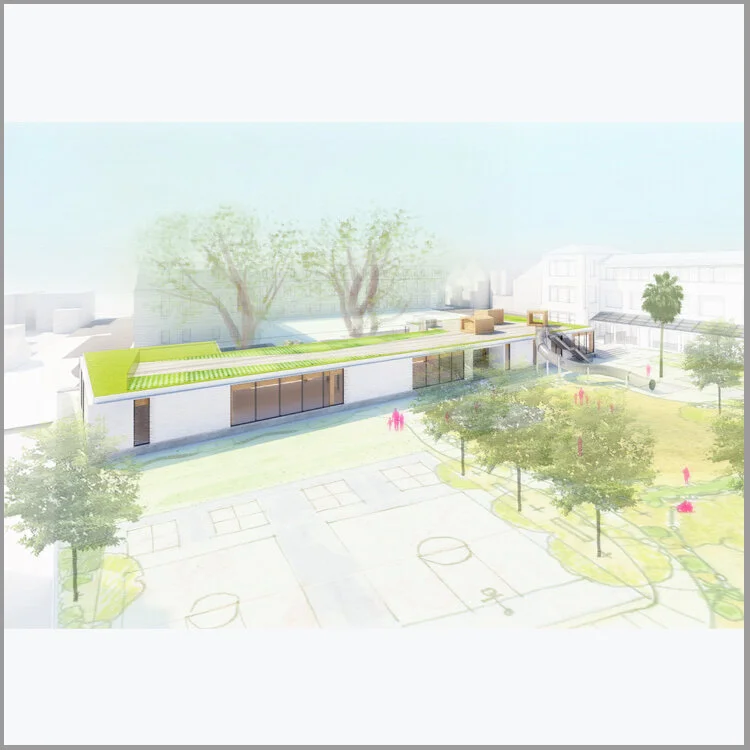
Presentation Template Project Example - CDS Preschool
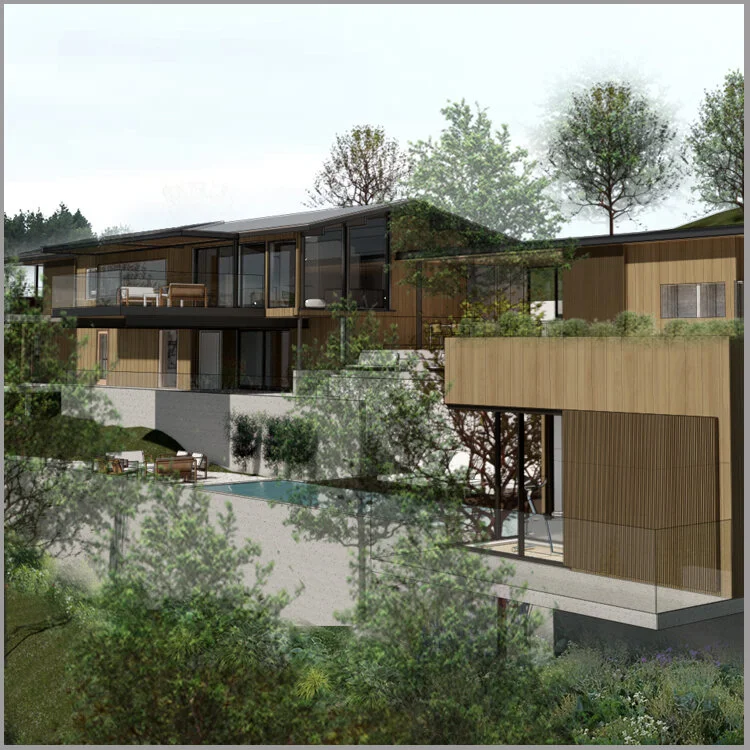
Presentation Project Example - Magdalena Residence
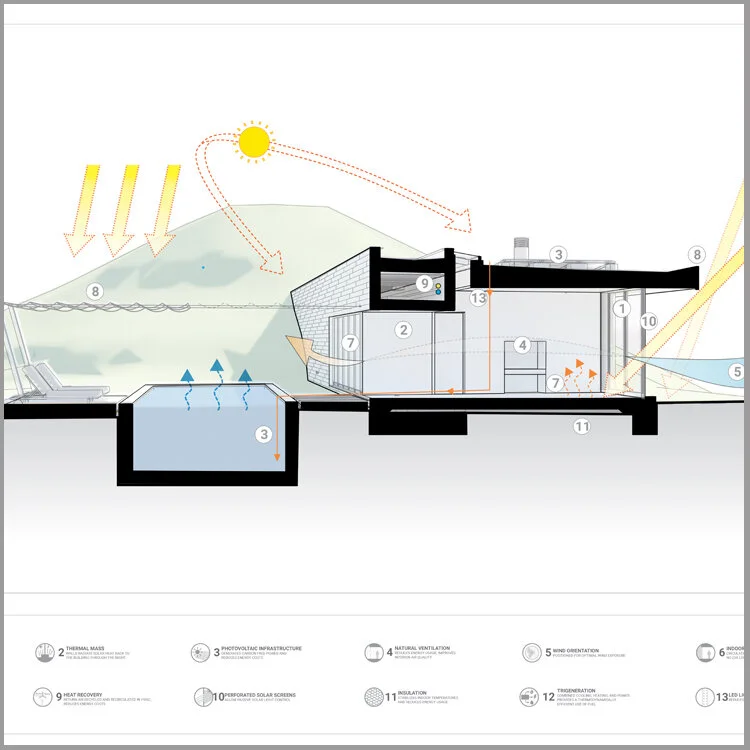
Presentation Project Example - Oka Topolovac Residence
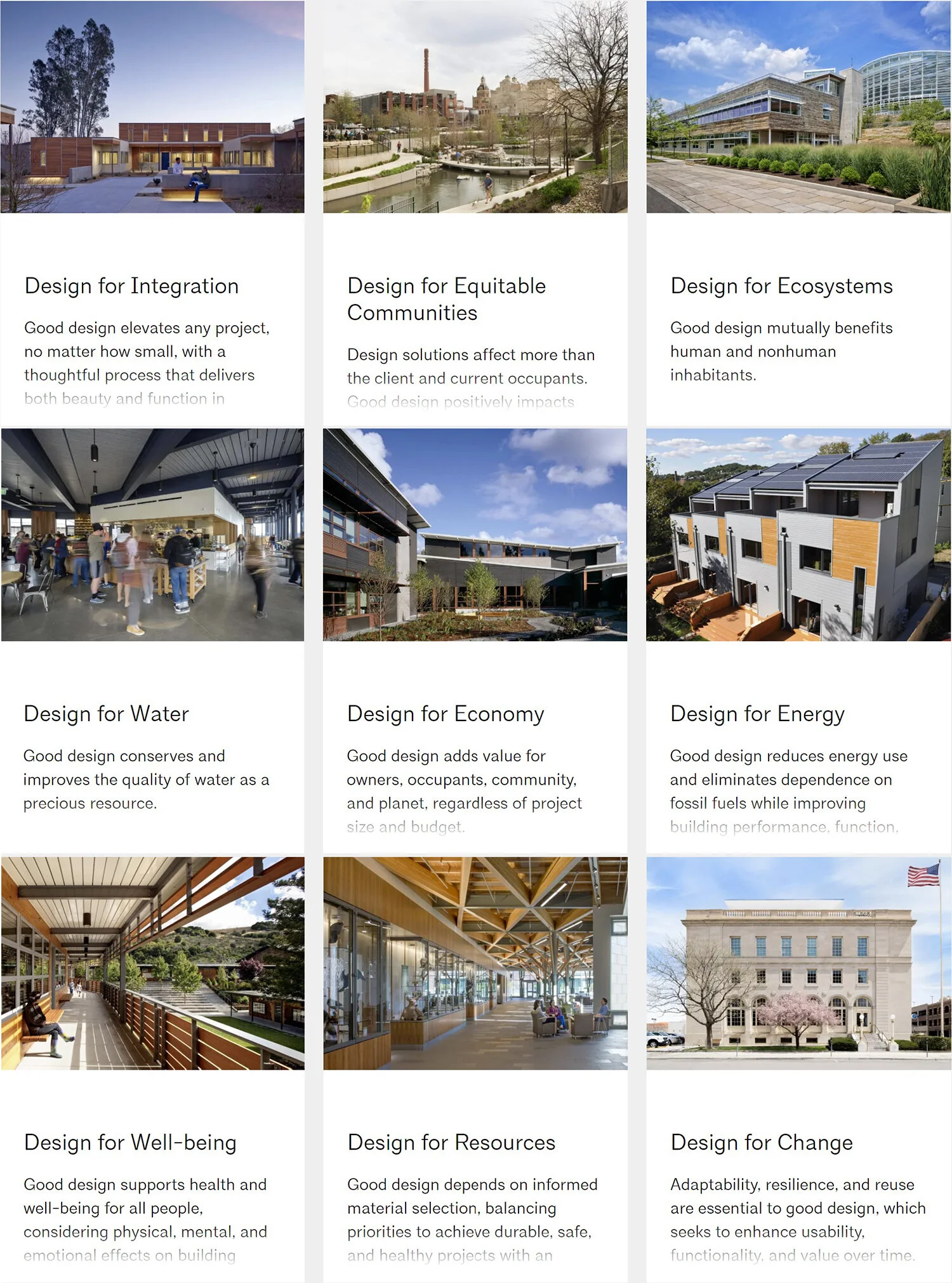
AIA Framework for Design Excellence
The Framework for Design Excellence represents the defining principles of good design in the 21st century. Comprised of 10 principles and accompanied by searching questions, the Framework seeks to inform progress toward a zero-carbon, equitable, resilient, and healthy built environment. These are to be thoughtfully considered by designer and client at the initiation of every project and incorporated into the work as appropriate to the project scope. The Framework is intended to be accessible and relevant for every architect, every client, and every project, regardless of size, typology, or aspiration. The Framework for Design Excellence challenges architects with a vision of what the profession strives to achieve, the toolkit provides practical resources to help all architects achieve the vision.