Two Carbon-Smart Ideas in the Attic
Details on insulating and air-sealing unconditioned attics that lower embodied carbon


Shore Rugs
Shore Rugs™ are made from a 100% pure silicone material which is completely inert and extremely safe to use. Unlike conventional PVC or neoprene based rubber mats, Shore Rugs do not release any toxic fumes neither during the manufacturing process nor during their long product lifespan.


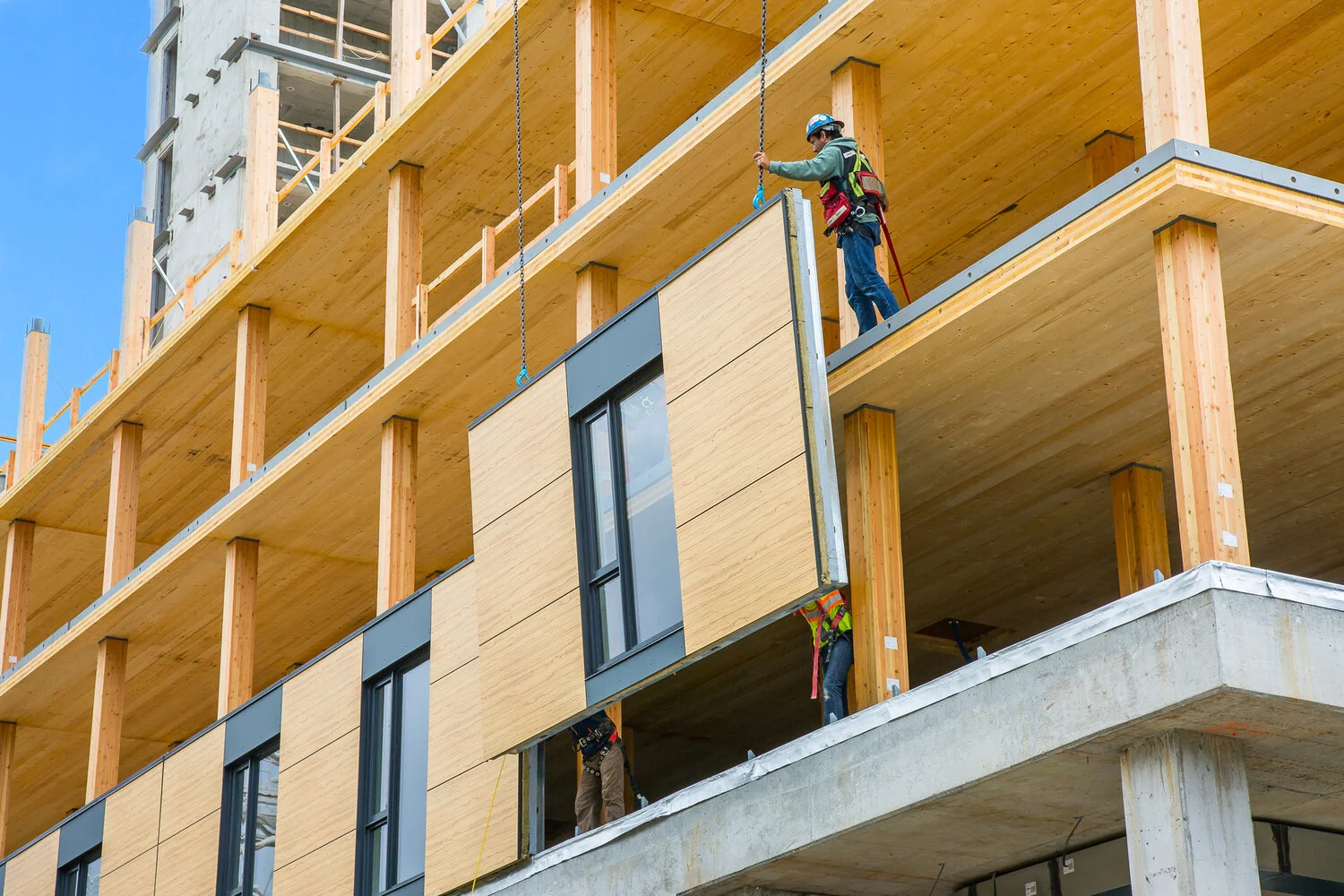
Move over CLT—Make room for DLT (Dowel Laminated Timber)
DowelLam is a mass timber product that can be used for floor, wall, and roof structures.


Edward Mazria Receives the 2021 AIA Gold Medal
Continuously working to urge architects away from fossil fuels, Mazria helped found the AIA’s Committee on the Environment (COTE) in the 1990s. In 2002 his firm began conducting pro-bono work under the name Architecture 2030.

Cellulose Insulation: Design To Change Climate Change
Tons and tons of waste paper is diverted annually from the waste stream to produce cellulose insulation, where the carbon is retained. And once installed the walls and attics as cellulose insulation, converts those homes and buildings into mini carbon sinks. Multiply that by millions of homes and buildings around the world and the potential for reducing carbon is significant.


Bamboo Formwork and Exposed Concrete in Architectural Projects
While concrete is without a doubt the world's go-to building material thanks to its durability, malleability, and ability to withstand a wide range of climates, it is also the principal source of CO2 emissions within the realm of construction. To combat this and reduce their creations'...
Low Cost, High Impact: The Drawdown Review Suggests That Architects Move Toward Scalable Climate Solutions
Climate change expert Jesse M. Keenan analyzes The Drawdown Review's recommendations for architects and designers.